Our Teaching Basis
The Science Behind The Journey: Our Methodology
At Portuguese with Carla & Friends, we don’t just teach vocabulary —we engineer language acquisition.

A Smarter Way to Learn Portuguese
Our approach isn’t based on language-learning trends, gimmicks, or textbook theory. The Journey is the result of years of continuous refinement, grounded in modern linguistics, cognitive science, and the psychology of habit formation. We have built a platform that respects how the adult human brain actually absorbs, retains, and produces a new language.
Here is the science, structure, and methodology behind how we teach European Portuguese.

The 4 Pillars of Language Acquisition
Traditional language learning fails because it fights against the brain's natural wiring. It prioritizes rote memorization and grammar drills over context and rhythm. We flipped the script, building our curriculum on four scientifically backed pillars:
The Language Instinct (Exposure First)
Inspired by the work of leading linguists, we treat language not as a puzzle to be solved, but as an instinct to be awakened. No "Baby Portuguese": From Day One, you are exposed to native speakers conversing at a natural, real-world pace. We don't dilute the language; we train your ear to decode it. Context Before Rules: We prime your brain with the basis for a grammar point before formally introducing the rule in the curriculum. You learn to recognize patterns naturally, preventing the overwhelm of rigid rule memorization.

The Neuroscience of Pronunciation
European Portuguese phonetics can be incredibly challenging for English speakers. We treat pronunciation as physical muscle memory. Shadowing & Backward Buildup: You won't just listen; you will actively mimic. We use backward buildup (starting from the end of a sentence to master the intonation) and shadowing to train your mouth to produce sounds instinctively. Physical Techniques: We utilize unique physical cues (like our balloon/scarf technique) to build the muscle memory required for correct phoneme production.

The Psychology of Habit
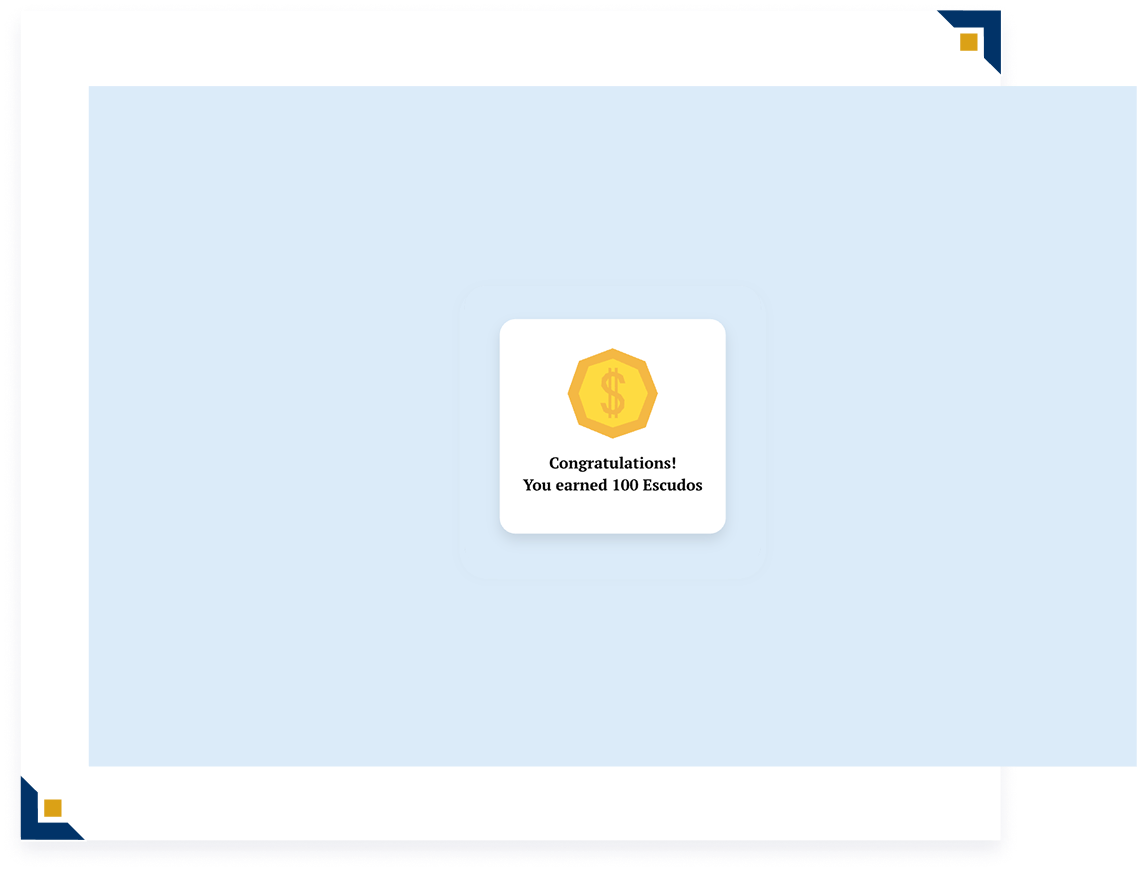
Consistency beats intensity every time. Influenced by behavioral psychology, we’ve engineered the platform to eliminate friction and foster daily engagement. 10-Minute Sessions: We limit core sessions to 10 minutes—the scientifically proven optimal window for peak cognitive concentration. Gamification & Rewards: We use site currency (escudos), badges, and hidden video treats to trigger dopamine responses, keeping your motivation high and rewarding high achievement.

Our Techniques
A Few Of Our Core Techniques
No single method works alone. Together strategy, these techniques have been validated by decades of cognitive research and refined through thousands of hours with real learners.
| The Technique | How It Works | The Scientific Purpose |
|---|---|---|
|
High-Production Cinematic Video
|
engaging, humorous, and beautifully shot real-life scenarios.
|
and uses emotion and humor to increase memory retention.
|
|
Bespoke Artwork & Intuitive UI
|
crafted illustrations and a clean, distraction-free interface.
|
environment that makes learning inherently pleasant.
|
|
Native-Speed Exposure
|
Portuguese before teaching the grammar.
|
naturally without being overwhelmed by rigid rules (No "baby Portuguese").
|
|
Shadowing & Muscle Memory
|
unique physical cues (like our balloon/scarf technique).
|
and vocal cords) to produce correct European Portuguese phonemes.
|
|
Spaced Repetition & Chunking
|
isolated words) via flashcards at specifically calculated intervals.
|
move vocabulary permanently into long-term memory.
|
|
Transcription Exercises
|
You are tasked with writing down exactly what you hear from natural-speed audio.
|
cognitive gap between phonetic sounds and correct spelling.
|
|
Real Human Moderation
|
Live practice sessions are guided by real, native-speaking humans.
|
a low-stakes, highly supportive environment.
|
|
Micro-Learning & Gamification
|
with site currency (escudos), badges, and hidden video treats.
|
dopamine to build a sustainable daily habit.
|
|
Periodic Revision
|
older chapters and conversational concepts.
|
foundational material is never lost as you advance.
|


Testimonials
Validated by Educators and Experts
You don't have to take our word for it. Because our methodology is rooted in instructional science, The Journey is consistently praised by educators, linguists, and professionals who understand how learning works:
I've been an instructional designer and training facilitator for 30+ years... I rarely can tolerate most online training programs because they're so poorly designed and implemented. Structure is at the core of a good program. You've done it.\n\nCongratulations.
Instructional Designer
Your curriculum is well-balanced and well-designed. It alternates between reading, writing, listening, and speaking... I have been consistently impressed with the quality of your online curricula! The content, strategies, and media elements are all very thoughtfully and carefully produced.
Educator & Television Producer
These lessons are incredible! I think the pace, clarity, and detail are really unmatched in the online space when it comes to European Portuguese... It is clear that the content and approach is based on a solid educational and linguistic background.
Professional Audio Engineers
The Architecture of Our Approach
A Curated Library of Knowledge
Our curriculum is a living, breathing project. Over the years, we have exhaustively studied the intersections of linguistics, neuroscience, and psychology to refine our teaching. We didn't just build a course; we synthesized a library.
Here are the specific works, courses, and theories that form the DNA of The Journey.
The Neuroscience of Learning, Habit, & Focus
To teach a language, we first had to understand how the brain learns, builds routines, and sustains attention in a distracted world.
Atomic Habits
Habits
The Power of Habit
Habits
Tiny Habits
Habits
Deep Work
Focus
Digital Minimalism
Focus
Slow Productivity
Focus
So Good They Can't Ignore You
Focus
A World Without Email
Focus
Brain Rules
Neuroscience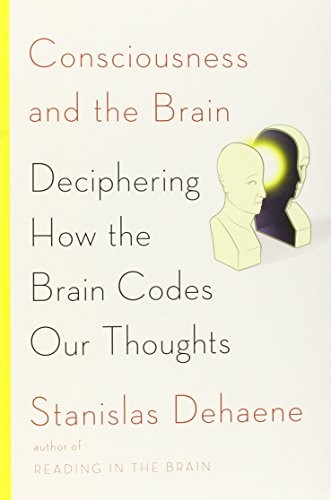
Consciousness and the Brain
Neuroscience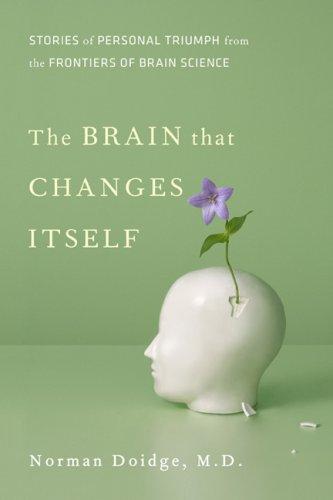
The Brain That Changes Itself
Neuroscience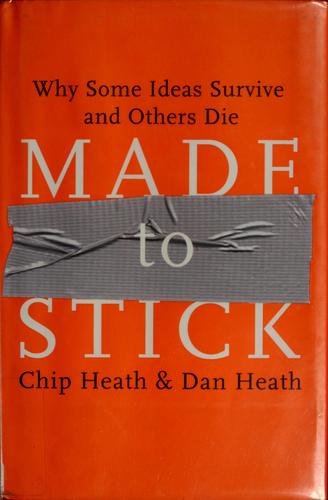
Made to Stick
Psychology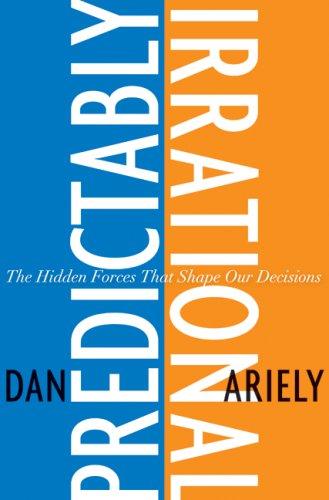
Predictably Irrational
Psychology
The Upside of Irrationality
Psychology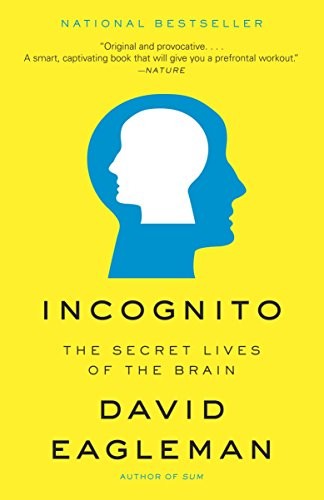
Incognito
Neuroscience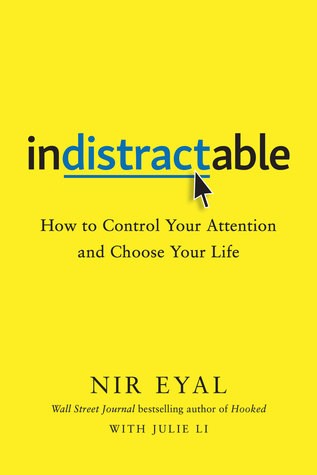
Indistractable
Focus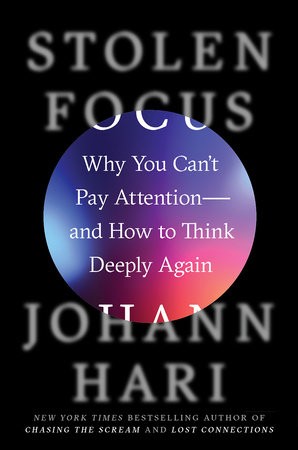
Stolen Focus
Focus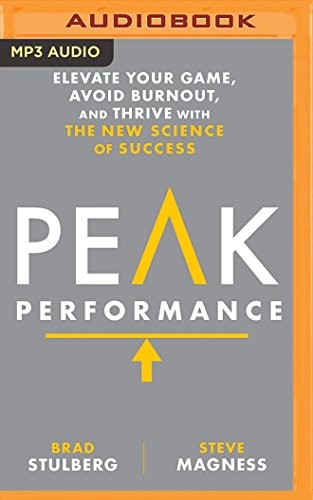
Peak Performance
Performance
The Upside of Stress
Psychology
Think Psychology
Psychology
Contagious
Psychology
The Compass of Pleasure
Neuroscience
Spark
Neuroscience
Outliers
Performance
The ONE Thing
Focus
10x Is Easier Than 2x
Performance
Buy Back Your Time
Performance
Eat That Frog!
Focus
The Mountain Is You
PsychologyLinguistics & The Mechanics of Language
These masterworks helped us move away from rigid, rule-heavy teaching and towards a realistic understanding of how language actually works, evolves, and lives in the real world.
The Language Instinct
Structure
Words and Rules
Structure
The Stuff of Thought
Structure
How the Mind Works
Structure
Words on the Move
Culture
Our Magnificent Bastard Tongue
Culture
The Language Hoax
Culture
You Say Potato
Culture
A Little Book of Language
Structure
The Mother Tongue
Culture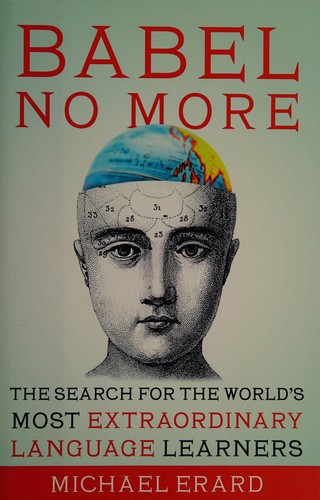
Babel No More
CultureO Essencial Sobre Língua Portuguesa
PortugueseFormal Courses & Lecture Series
Our practical instruction is backed by formal academic training, pedagogy, and extensive lecture series from leading institutions.
TESOL Certification Program
TESOLTheocratic Ministry School
Pedagogy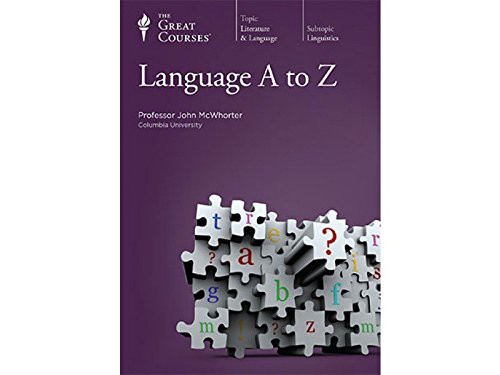
Language A to Z
The Great Course
The History of the English Language
The Great CourseI had quite a large vocabulary after years of classes, but I couldn't even utter a single sentence. Although I could understand written Portuguese, I couldn't speak. For the first time, I feel motivated to learn and actually use the language.— Bridget
The Journey
Stop "Studying Portuguese".
Start Living It.
Everything we've learned has been distilled into our platform, The Journey. It's where structure meets immersion. Where guidance meets independence. And where you can finally stop "studying Portuguese"… and start living it.
Explore The Journey!